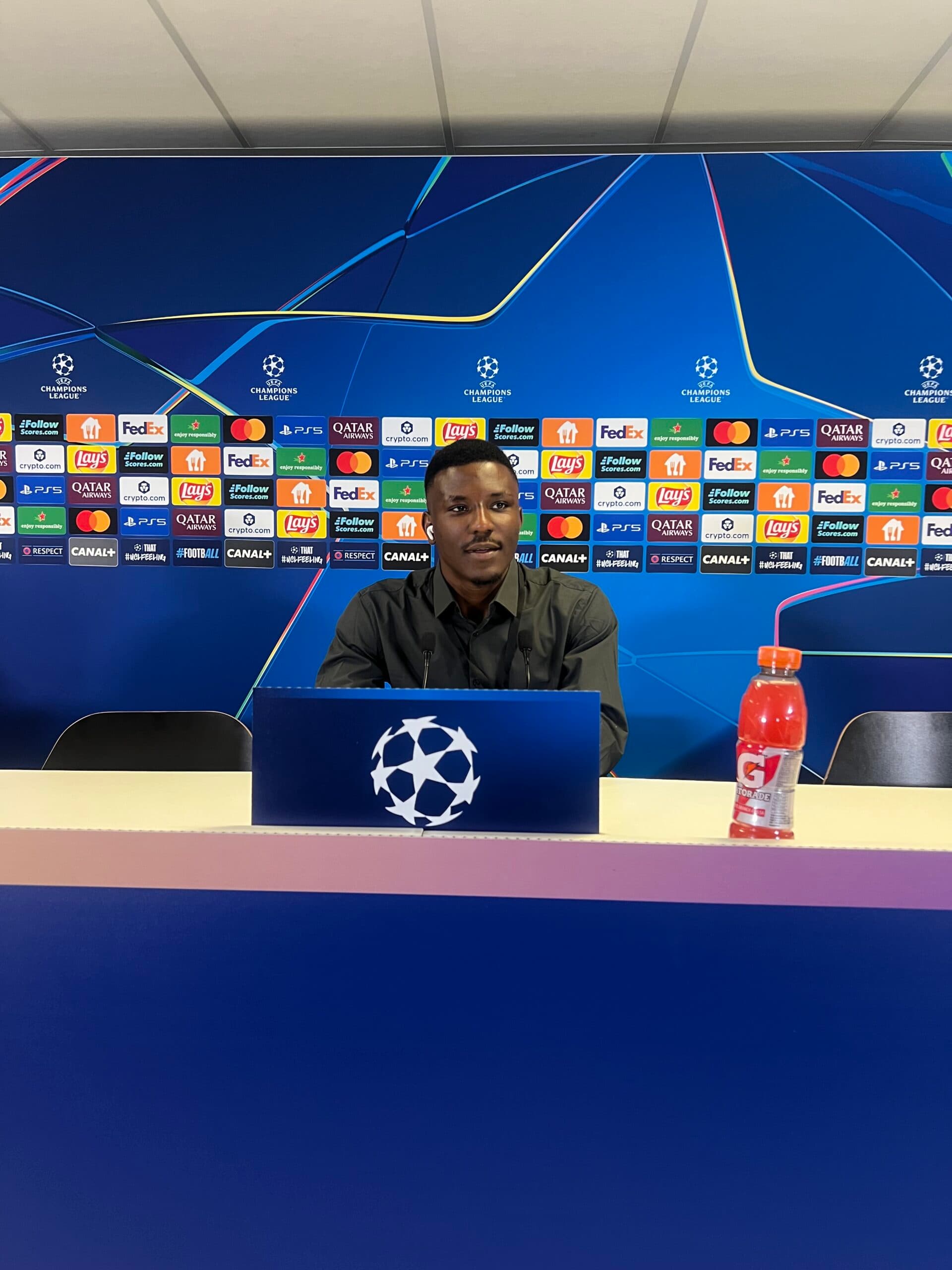
Following Ruben Amorim’s sacking and Darren Fletcher’s sub-par display as Manchester United's interim boss, Michael Carrick now leads the way as United’s next interim manager.
Carrick and Ole Gunnar Solskjær have both been interviewed for the position, but it looks increasingly likely that the former captain will be taking charge for the rest of the season.
Managerial experience
Carrick stayed on at Manchester United after retiring from his playing career at the end of the 2017/18 season, having coached in the academy before earning a first-team role.
The former England midfielder was initially a first-team coach under Jose Mourinho before continuing his role under the stewardship of fellow interview candidate, Solskjær.
After the Norwegian was sacked in November 2021, Carrick took charge of the team on an interim basis for three games, picking up two wins against Villarreal and Arsenal and a draw against Chelsea.
United hired Austrian coach Ralf Rangnick in December 2022, and shortly after, Carrick left with immediate effect to start his managerial career away from his old club.
Taking over at Middlesbrough
In October 2022, Carrick took over at Middlesbrough, leading them from 21st in the Championship to fourth after winning 18 of their 30 remaining games.
His Boro team lost to Coventry City in the playoff semi-finals 1-0, and he failed to return Boro to the playoffs in his subsequent seasons, finishing 8th and 10th respectively.
A run to the EFL Cup semi-finals in his second year was one of his most incredible achievements before losing his job in June 2025.
His philosophy
Whilst at Middlesbrough, Carrick liked to play a 4-2-3-1 formation out of possession and an extremely aggressive 3-2-5 when his team was on the ball.
In transition, Carrick’s full-backs are instrumental to the team's success, with one usually joining the four attackers on the overlap to create an imbalance, and the other forming part of a back three.
Carrick likes to deploy a striker who can drop deep, creating space for his attacking midfielders to penetrate the box and score goals from the overlapping runs of his full-backs or wingers.
Whichever side the overlapping full back is on, Carrick’s system allows for the corresponding winger to come inside and occupy one of the central defenders, causing chaos, confusion, and more gaps for the strikers and midfielders to exploit.
In a Carrick system, one full back and one winger must hug the touchline, creating options to cross the ball into a box packed with players making a burst at goal.
In essence, Carrick likes to play with fluidity and less structure, with overloading the box and attacking the wide areas being the key to his attacking philosophy.
Can it work at Manchester United?
If we focus on the key attacking points of his philosophy, Manchester United does have the players who can work in this system.
Both Patrick Dorgu and Diogo Dalot enjoy bombing forward from the full-back position, Benjamin Sesko is a forward who likes to drop deep and allow runners in behind, and United has a plethora of attacking midfielders who can punish any team.
Mason Mount can play as an inverted winger, while talisman Bruno Fernandes loves to make deep runs and score goals from crosses.
United has Casemiro, Kobbie Mainoo, and Manuel Ugarte to choose from as the two midfield anchors, and plenty of central defenders who can play in and out of possession.
The pieces are there for Carrick to implement his system, but can the players perform on the pitch and produce a perfectly orchestrated display? We will have to find out.