AFCON’s unique power to unite the continent every two years goes far beyond football.
A Tournament Lived Beyond the Game
It is felt in shared meals, echoed through music, and lived in the passion of the people who bring the tournament to life.
Over its 68-year history, the Africa Cup of Nations has gradually evolved.
It has transformed from a straightforward football competition into a far broader sporting festival.
As a result, AFCON has come to represent far more than just ninety minutes of football.
From Competition to Cultural Festival
In that moment, AFCON became not just a sporting event, but a platform that stood with the oppressed.
For others, however, the tournament’s magic lies in its fairytale storylines. Take Ghana in 1982. A nation prepared to boycott the competition only to make a last-minute U-turn following a coup and change of government. They then defeated hosts Libya in the final.
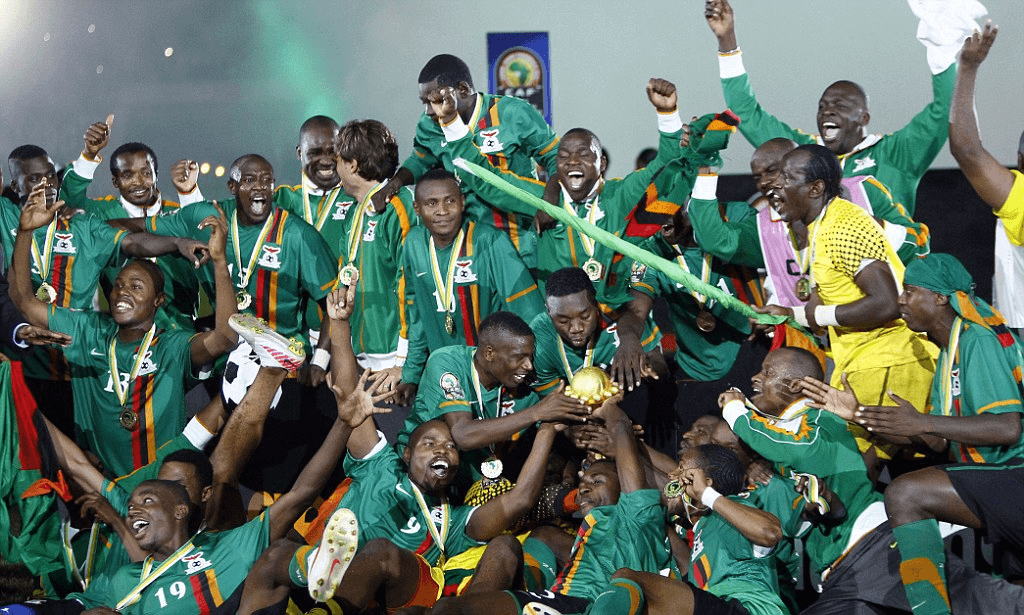
Similarly, Zambia’s triumph in Gabon carried deep emotional weight. The crash claimed the lives of several ‘Chipolopolo’ players.
Meanwhile, for Nigeria, iconic moments shape AFCON memories. Chief among them are the two unforgettable goals Segun Odegbami scored in the 1980 final against Algeria.
These goals propelled the Super Eagles to their first-ever continental title and cemented a lasting place in the nation’s footballing folklore.
Yet for many across Africa and throughout the diaspora AFCON means even more than these historic moments.
It is about tradition and atmosphere the unmistakable vibe that surrounds the tournament. Conversations centre on food, music and fascinating rituals, turning AFCON into a complete cultural experience rather than just a football competition.
Nevertheless, as the Africa Cup of Nations continues to showcase the depth, pride and quality of football across the continent, familiar external political narratives arise. They threaten to distract from the game itself, a reminder of how powerful and significant this tournament truly is.
Recent reports on US President Donald Trump’s immigration stance and its potential impact on African nations such as Ghana have reignited wider conversations about power, perception and who gets to move freely in global sport.
AFCON, however, has always existed in spite of that noise.
The Black Stars have built their reputation through resilience, talent and continental success, not political permission slips.
Any suggestion that African nations should feel “blocked” or limited by Western political rhetoric ignores the reality on the ground. AFCON remains a stage where African teams control their own narrative.
The tournament is not a visitor to global football culture; it is a pillar of it.
Unlike many international tournaments, AFCON is deeply tied to national identity. Every fixture carries cultural weight. Every goal is more than a statistic.
That is why attempts to frame African football through Western political lenses often fall flat. AFCON does not need validation, and it does not pause for approval.
Players, fans and federations understand the continent’s football story. It has always been written internally, even when external systems try to impose limits elsewhere.
For many African nations, football has long been a form of resistance.
If political barriers rise elsewhere, AFCON remains a reminder that African excellence does not depend on access to Western borders. It thrives regardless.
Global politics do not leave the tournament untouched, but they do not define it either.
AFCON’s power lies in its ability to refocus attention where it belongs.
Whatever happens in political offices thousands of miles away, the Africa Cup of Nations continues to deliver moments. These moments matter to millions.
And that, more than anything, is the point.