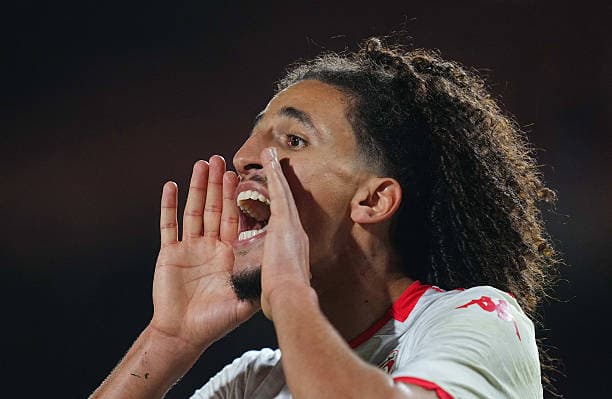
Tunisia’s Africa Cup of Nations campaign came to a disappointing end following defeat to Mali, and Hannibal Mejbri did not shy away from honesty in the aftermath. Mejbri delivers brutal verdict on the team's performance.
Speaking after the final whistle, the midfielder offered a candid assessment of both the performance and the wider state of Tunisian football, issuing comments that have since sparked debate across the continent. Indeed, Mejbri delivers brutal verdict not just on the match but also on the football structure.
Hannibal’s first comments focused on the match itself and the disappointment of elimination.
The Tunisia international admitted the side failed to meet expectations, apologising directly to supporters and acknowledging the image the team showed on the pitch. He also addressed his own physical battle during the game, explaining that despite carrying a yellow card and taking several heavy challenges, he had no regrets about his commitment. Mejbri delivers a brutal verdict on both his and the team's tenacity during the match.
It was a raw, emotional response that reflected both frustration and accountability rather than deflection.
More striking, however, was Hannibal’s broader assessment of the state of football in Tunisia.
The midfielder claimed the country has fallen significantly behind its continental rivals, arguing that the issues go far beyond one tournament. He spoke of the need for structural reform, re-education and long-term investment, starting from grassroots roles and extending throughout the footballing pyramid.
In his view, Tunisia’s struggles become even clearer when compared with nations such as Morocco, who have made sustained progress through modernised coaching, infrastructure and player development pathways. Mejbri delivers a brutal verdict that is both a call to action and a reflection of the existing gulf in footballing standards.
Hannibal’s words have divided opinion. Some see them as an emotional reaction in the immediate aftermath of elimination, delivered while disappointment was still raw.
Others believe the comments reflect a deeper truth that has been masked by Tunisia’s historic reputation and past successes. Recent tournaments have exposed recurring problems: lack of creativity, limited attacking cohesion and an over-reliance on individual moments rather than collective structure.
What is clear is that these issues did not emerge overnight.
Tunisia now face a moment of reflection. Whether Hannibal’s assessment is viewed as harsh or necessary, it has brought long-standing concerns into the open.
The challenge for the Tunisian FA is whether these comments lead to genuine reform or fade as another post-tournament talking point. For a generation of players entering their prime, meaningful change may determine whether Tunisia remain competitive on the continental stage or continue to drift behind their neighbours.
For now, Hannibal Mejbri’s words linger as one of the defining moments of Tunisia’s AFCON exit, honest, uncomfortable and impossible to ignore. Mejbri delivers a brutal verdict that cuts to the heart of what needs to change.