The Premier League table at Christmas is always a talking point. It is far enough into the season to feel meaningful, but still early enough for chaos, collapses, and unlikely charges. Every year we ask the same questions. Does being top at Christmas really matter? Are surprise challengers for real? And how worried should the teams at the bottom be?
With 17 games played, this season’s table has thrown up a few familiar patterns and a few eyebrow raisers. Looking at how previous Christmas tables have played out gives us a decent idea of what might be coming next.
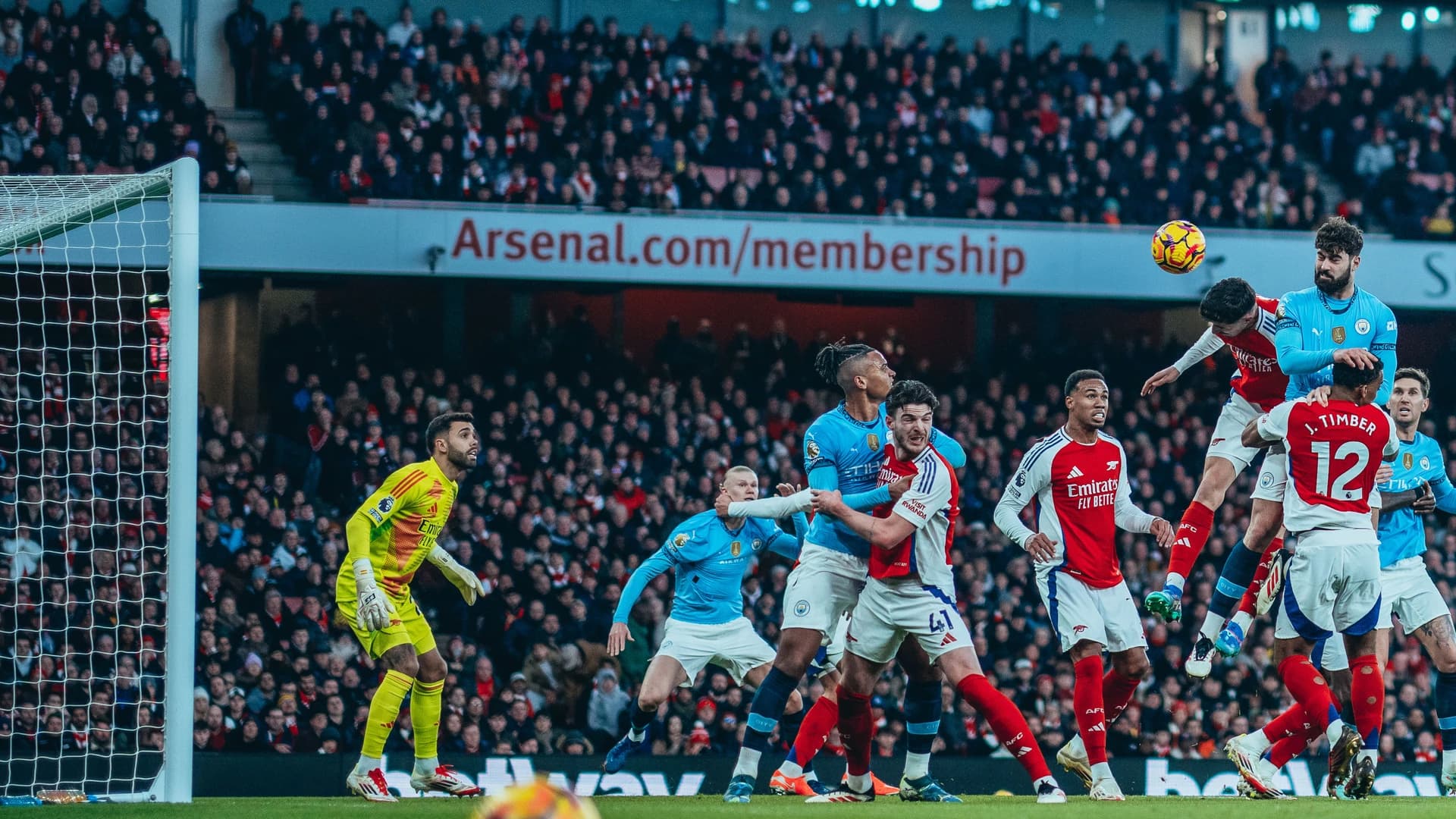
Arsenal sit first at Christmas with 39 points from 17 games, winning 12, drawing 3 and losing just twice. Historically, that is a title winning pace. Teams who reach around 38 to 40 points by Christmas almost always finish in the top two, and very often lift the trophy.
However, Arsenal fans know better than most that Christmas leads do not guarantee anything. In recent seasons, Arsenal have topped the table in December only to fall away as the pressure builds and squad depth is tested. The difference this time is consistency. Twelve wins by this stage suggests control, not just momentum.
History says Arsenal are firmly in the title race. History also says they still have work to do.
Manchester City are second on 37 points, just two behind Arsenal. This is classic City territory. They have played 17, won 12, but have more losses than usual with four defeats already.
What history tells us is simple. City do not need to lead at Christmas. In fact, many of their title wins have come from behind. Being within three points of top at this stage is usually more than enough for them, especially once the calendar turns and squad rotation becomes key.
If anything, Christmas tables show that City lurking just off the pace is often more dangerous than City leading outright.
Aston Villa being third at Christmas with 36 points is one of the stories of the season. Eleven wins, only three losses, and genuine consistency.
History is mixed for teams pushing above their expected level. Some, like Leicester in 2015, rode the wave all the way to the title. Others, like Southampton in 2014 or West Ham in 2020, stayed competitive but faded into Europa League or mid table finishes.
What usually decides it is squad depth and how teams handle injuries after January. Villa’s Christmas position suggests a top six finish is very realistic. A title challenge is harder to predict, but history says they are not here by accident.
Tottenham sitting 14th at Christmas with 22 points is worrying. Six wins, seven losses, and an inconsistent run of form puts them in a position where recovery is possible, but not guaranteed.
Historically, teams in the bottom half at Christmas rarely push into the Champions League places. Spurs can still climb, but the margin for error is gone. Past seasons show that slow starts often lead to Europa League scraps rather than top four charges.
West Ham in 18th on 13 points, Burnley in 19th on 11, and Wolves bottom with just 2 points paints a bleak picture.
History is ruthless at the bottom of the table. Teams with fewer than 15 points at Christmas almost always go down. Survival from this position requires a dramatic turnaround, usually involving a managerial change, a huge January window, or both.
Wolves, with no wins by Christmas, are in historically dire territory. Very few teams have escaped relegation from that position.
The Christmas table does not decide titles, but it does shape them. It separates contenders from pretenders and shows who is already fighting gravity.
For Arsenal and City, history says the title race is very real. For Villa, belief is justified. For Spurs, recovery must start immediately. And for the teams at the bottom, Christmas is not just festive. It is a warning.