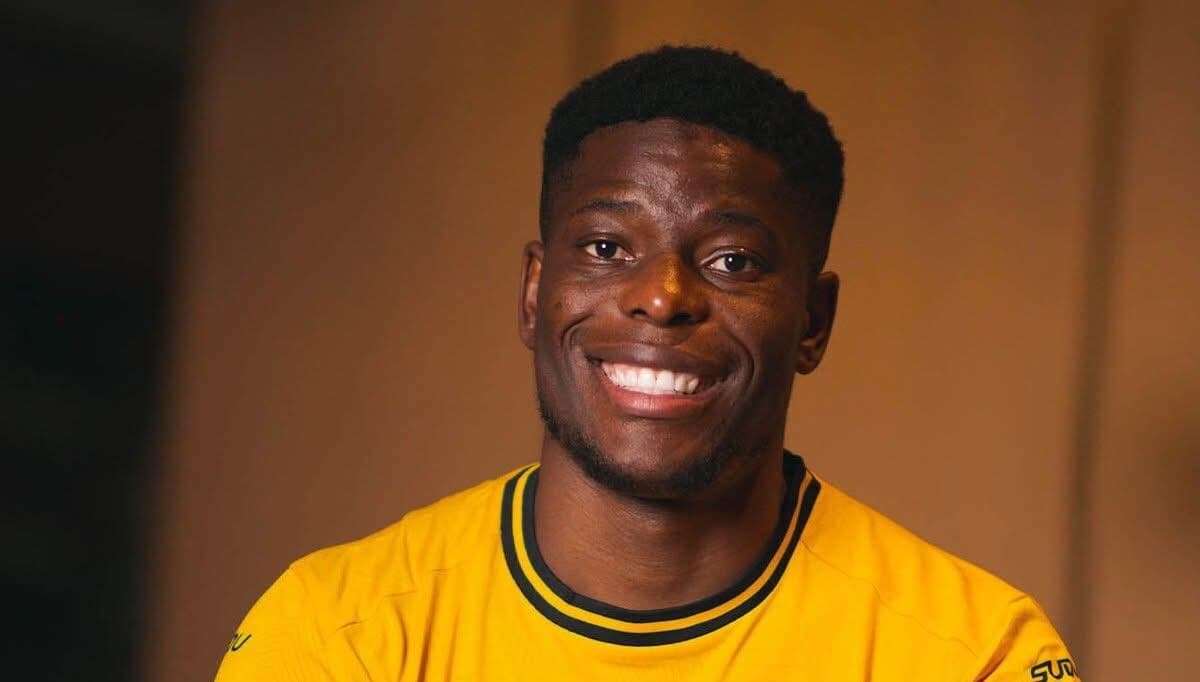
Wolves midfielder Marshall Munetsi suffered a killer blow after limping off the pitch at the City Ground a few weeks ago, just weeks before the Zimbabwe and Premier League star was set to head to AFCON.
Zimbabwe even tried to sign a waiver so the former Reims midfielder could partake later in the tournament once his injury subsided. His club Wolves, even offered medical support so he could play for his country amid a speedier recovery. Unfortunately, he received no follow-up communication and was thus out of the squad (Marshall Munetsi’s Facebook).
Representing your country is the pinnacle of football. AFCON has a deep sense of meaning - and especially to Marshall, who voiced his sadness on not being able to play on Facebook. The Zimbabwe international, who has featured 35 times for the Warriors, is a massive blow for his nation. But the wider meaning is how this could impact other players, going forward.
The 29-year-old’s injury will send a reminder to the footballing bodies on the obscene amount of football played, but will also send a caution to his teammates and footballing player counterparts. Especially with the World Cup on the horizon.
Could we start to see players’ being more cautious over League games closer to the World Cup, AFCON or other huge tournaments, to avoid being out of representing their country? There’s often been the notion from fans that, players’ should pull out of international friendlies in light of avoiding injuries with a heavy schedule. Actually get some rest? But, could this dynamic flip?
With the World Cup after the crunch time and end of season times of the respective domestic leagues, it’ll be a fascinating dynamic to see how players balance the intensity levels of their end of seasons for their clubs, with the upcoming World Cup.
One thing is for sure, Munetsi is a big loss for Zimbabwe and is a great example of a player who hasn’t suffered loads of injuries, who is being impacted by the excessive amount of minutes players currently play.
Zimbabwe now face a critical challenge in AFCON without one of their most influential midfielders. Beyond the immediate tactical impact, the episode has highlighted broader issues around communication, medical protocols and player release procedures between clubs and national team authorities — especially when key players are nursing injuries close to major tournaments.